Follow us Online:
Maples are arguably the most-planted ornamental tree across the south Puget Sound. From compact Japanese maples tucked beside front entries in Auburn and Kent to towering Bigleaf maples shading older lots in Tacoma and Renton, the Acer genus shows up in nearly every residential landscape in the region. The challenge for homeowners is that “maple” covers everything from a 6-foot dwarf to a 100-foot native — and the aftercare a maple needs depends almost entirely on which species is in the ground.
This category page covers the maple species Pacific Arboriculture installs and maintains most often, with links to species-specific aftercare guides as they are published. For installation, pruning, or plant healthcare across all maple species, contact Pacific Arboriculture directly.
Western Washington’s mild winters, wet springs, and increasingly dry summers create a complicated picture for maples. Native species like Vine maple and Bigleaf maple evolved with the region’s clay soils, late-summer drought, and winter saturation, so they tolerate local conditions well once established. Imported ornamental species — Japanese maple, Coral Bark, Bloodgood, Trident — were bred for cooler, more even climates and need more attentive aftercare in the south Puget Sound.
Common stressors that affect every maple species in Auburn, Federal Way, Puyallup, and surrounding cities include:

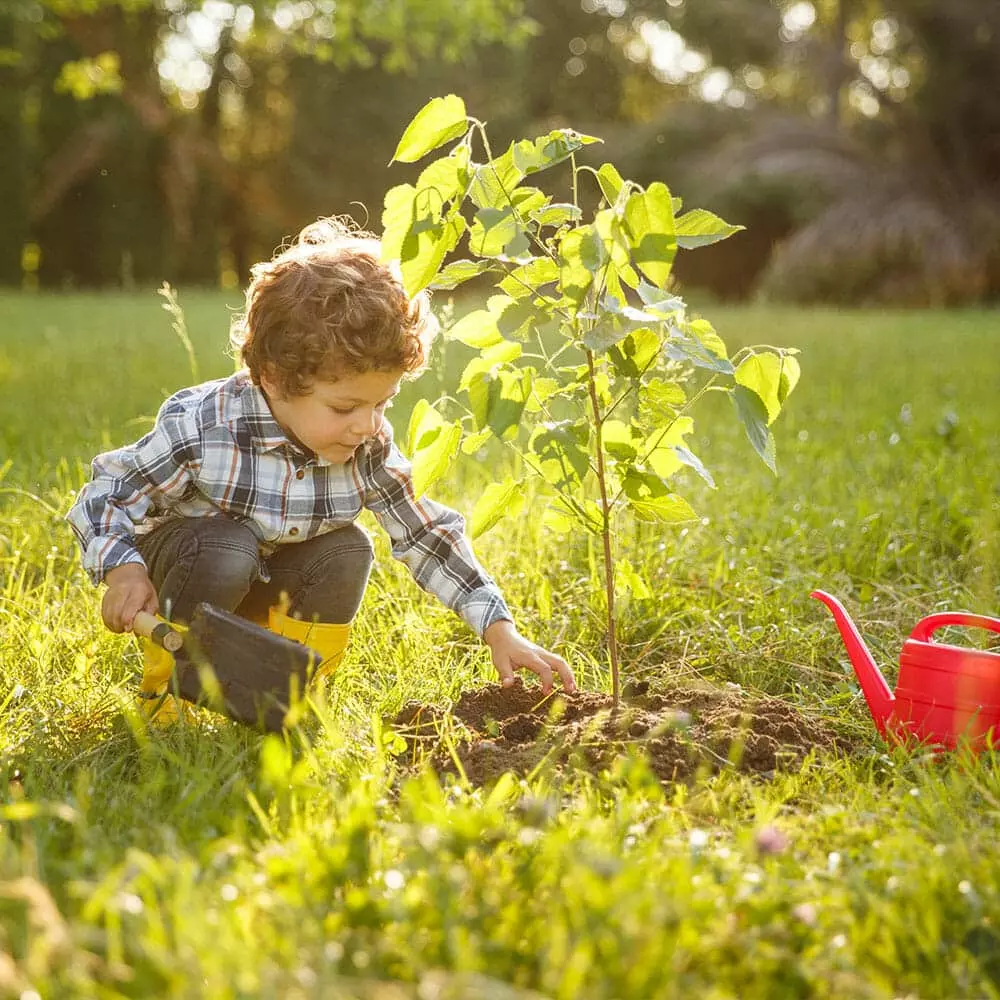
Newly planted maples — regardless of species — share the same establishment-period needs:
Maples are heavy “bleeders” — sap flow is dramatic in late winter and early spring, which is why traditional pruning calendars warn against pruning maples in February and March. The bleeding is cosmetic, not harmful, but it stains decks and attracts insects. Pacific Arboriculture’s recommended windows for maple pruning across the south Puget Sound:
For technique guidance and structural pruning of larger maples, ANSI A300 industry standards apply — see TCIA for industry pruning standards or ISA for arborist credentialing information.
Across all maple species, the following symptoms warrant a closer look — and often an arborist visit:

The species pages below cover the most-commonly installed and serviced trees in this category — each with planting, watering, fertilizing, and pruning guidance plus a quick-reference spec panel.
Maples reward attentive ownership but can decline quickly when stressed. Pacific Arboriculture’s ISA Certified Arborists handle maple installation, structural pruning, plant healthcare, and arborist reports across Auburn, Kent, Tacoma, Federal Way, Renton, Puyallup, Sumner, Lake Tapps, Covington, and the rest of the south Puget Sound service area. For species selection guidance before planting, established-tree pruning, or PHC programs to manage aphids and disease pressure, request a free quote or call (206) 909-2170.
Q: When is the best time to prune a Japanese maple in Auburn or Kent?
A: Mid-summer (July through August) is the cleanest window. Wounds close fast, sap flow is minimal, and disease pressure is low. Late winter pruning will trigger heavy bleeding — cosmetic only, but messy.
Q: Why are the leaves on a Japanese maple turning brown around the edges?
A: Leaf scorch — usually drought stress, but sometimes salt or wind damage. First check the soil moisture 6 inches below the surface at the drip line. If dry, increase watering frequency. If consistently moist, the issue may be root constriction or a soil drainage problem.
Q: Does a newly installed maple need fertilizer in the first year?
A: No. Healthy native soil plus an arborist wood chip mulch ring supplies more than enough nutrition for the first growing season. Fertilizer in year one pushes top growth before the root system can support it.
Q: What causes the sticky drip under a maple?
A: Aphid honeydew. May through July aphid populations on maples can be heavy enough to coat cars and patios. Plant healthcare treatments target the aphid population without broad-spectrum pesticide use.
Category guides covering the trees Pacific Arboriculture installs and maintains most often across the south Puget Sound. Each category links to species-specific aftercare information.
Need species-specific guidance now?
Call (206) 909-2170
or request a free quote.