Follow us Online:
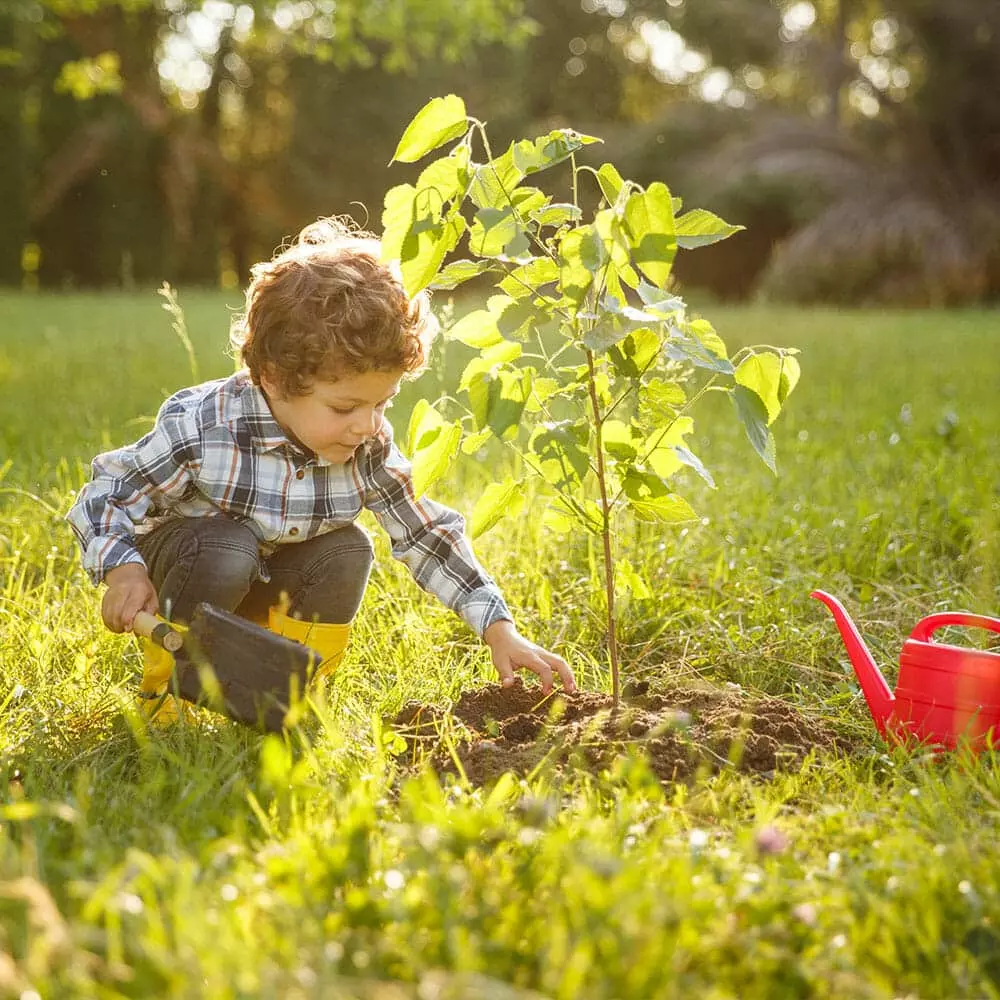
Deciduous trees — those that drop their leaves in fall — bring four-season interest, summer shade, and fall color to landscapes across the south Puget Sound. While maples are common enough to deserve their own category, the broader deciduous group includes some of the most striking and durable trees a property can have. Bigleaf magnolia, ginkgo, tulip tree, beech, oak, and hornbeam each occupy a different role in residential landscapes from Auburn and Kent through Tacoma, Federal Way, Renton, and Puyallup.
This category covers aftercare for the non-maple deciduous species Pacific Arboriculture installs and maintains most often, with links to species-specific guides as each is published.
The Pacific Northwest’s tree canopy has historically been conifer-dominated, but well-chosen deciduous species add resilience that pure-conifer landscapes lack. Properties with a mix of deciduous and evergreen trees survive insect outbreaks, disease pressure, and storm events better than monoculture plantings. They also provide:

Each species has its own optimal pruning window, but a few general rules apply across the deciduous group in western Washington:
Industry pruning standards are published as ANSI A300 — see TCIA for technical references and WSU Hortsense for region-specific guidance.

The species pages below cover the most-commonly installed and serviced trees in this category — each with planting, watering, fertilizing, and pruning guidance plus a quick-reference spec panel.
Established deciduous trees usually need less hands-on care than newly planted ones, but structural defects develop slowly and are easy to miss. Co-dominant leaders, included bark, girdling roots, and gradually advancing decay all benefit from a trained eye. Pacific Arboriculture’s ISA Certified Arborists handle deciduous tree installation, structural pruning, plant healthcare, and arborist reports across Auburn, Kent, Tacoma, Federal Way, Renton, Puyallup, Sumner, Lake Tapps, Covington, and the broader south Puget Sound. For species selection, established-tree pruning, or a hazard evaluation, request a free quote or call (206) 909-2170.
Q: When should oaks be pruned in the PNW?
A: Late dormant season (February through early March) is the cleanest window. Avoid pruning oaks during the active growing season when sap-feeding insects and fungal spores are most active.
Q: Why are the leaves on a beech curling and turning brown at the edges?
A: Most often heat or drought stress. European beech is sensitive to dry conditions and root compaction. Check soil moisture below the surface and increase watering if dry; consider an arborist evaluation if the symptom recurs each summer.
Q: A young deciduous tree has a vertical crack in the trunk. Is it dying?
A: Cracks on the south or southwest side of a young thin-barked tree are usually sunscald — preventable with trunk wraps from November through March. The tree may recover with no intervention, but the wound is a permanent decay entry point and the tree warrants monitoring.
Q: When is the best time to plant a deciduous tree in Auburn or Kent?
A: Fall (October through November) is the best window. Soil is still warm enough for root activity, fall and winter rain establish the tree, and the canopy is dormant — putting all available energy into root development before the next growing season.
Category guides covering the trees Pacific Arboriculture installs and maintains most often across the south Puget Sound. Each category links to species-specific aftercare information.
Need species-specific guidance now?
Call (206) 909-2170
or request a free quote.