Magnolia Aftercare in the Pacific Northwest

Magnolia

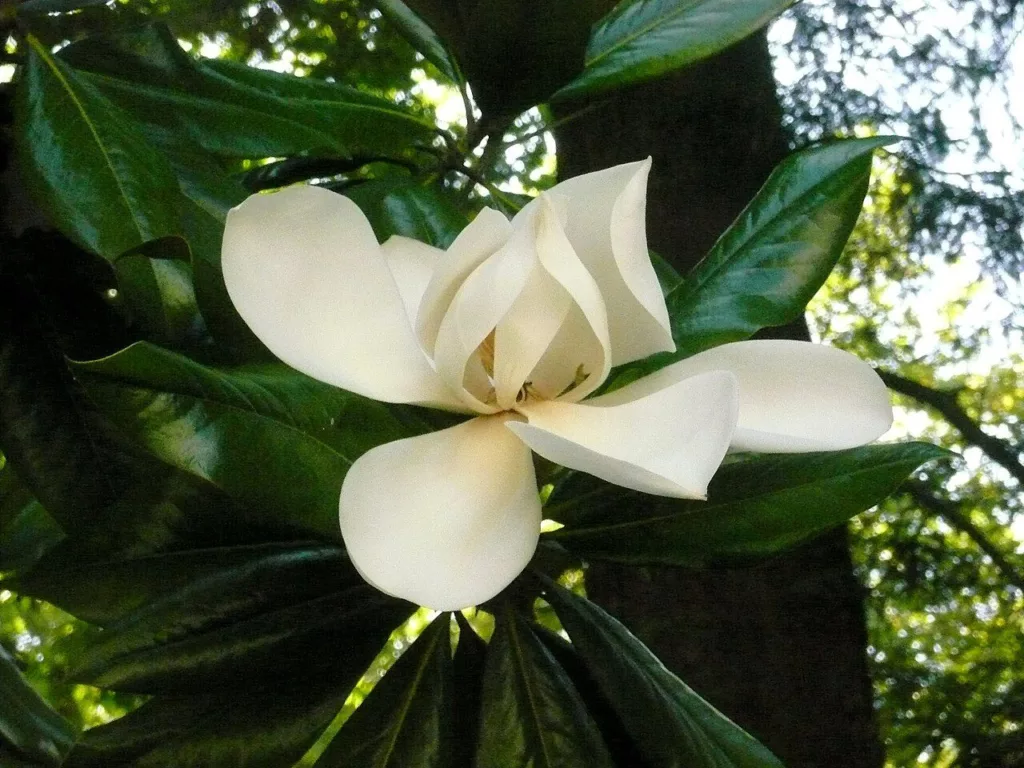
Magnolia tree, Magnolia species & hybrids, mature specimen — species reference for Pacific Arboriculture homeowners in Auburn and the south Puget Sound.
Magnolia (Magnolia species & hybrids). Photo: yo, CC BY 2.5. Source: https://commons.wikimedia.org/wiki/File:Magnolia.jpg
Magnolia species & hybrids
  • Spectacular early-spring flowers — large, fragrant, and showy
  • Wide range of forms: small ornamental Saucer Magnolias to large evergreen Southern Magnolias
  • Smooth gray bark and bold, distinctive foliage texture
  • Cold-hardy cultivars perform well throughout the south Puget Sound

Magnolia is one of the most beloved flowering tree categories in the south Puget Sound. The genus includes everything from compact ornamental Saucer Magnolias (Magnolia × soulangeana) that throw fist-sized pink-and-white blooms in March, to evergreen Southern Magnolias (Magnolia grandiflora) with leather leaves and cream-white summer flowers, to native Star Magnolias (Magnolia stellata) for smaller spaces. All share dramatic early-season flowers, smooth gray bark, and bold foliage texture.

Planting and Care

  1. Planting. Plant in well-drained soil with full sun to partial shade. Magnolias are sensitive to root disturbance — plant young (small caliper) trees rather than transplanting older specimens. Dig a planting hole twice as wide as the rootball, set the trunk flare at grade, backfill with native soil, water in deeply, and mulch.
  2. Watering. Deep weekly watering through the first three growing seasons — magnolias are slow to establish and benefit from consistent moisture. Once established, supplemental water during the south Puget Sound’s late-summer dry stretch maintains health and bloom quality.
  3. Fertilizing. Light feeders. A single application of balanced slow-release fertilizer in early spring during establishment years is sufficient. Mature magnolias rarely need additional fertilization.
  4. Pruning. Prune lightly in late spring after flowering. Remove only dead, damaged, or crossing branches — heavy pruning ruins the natural form and reduces bloom for several years. Avoid late-fall and winter pruning that exposes wounds to freeze damage.

Magnolias perform exceptionally well in south Puget Sound landscapes — the cool maritime climate matches their preferred range. Site early-flowering cultivars (Saucer, Star) on north or east exposures in Auburn, Kent, and Tacoma to delay bloom past peak frost-damage windows.

Need a Pacific Arboriculture ISA Certified Arborist to look at the magnolia on the property?
Call (206) 909-2170 or request a free quote — Pacific Arboriculture provides residential and commercial tree services across Auburn, Kent, Renton, Tacoma, Federal Way, Puyallup, Sumner, Bonney Lake, Maple Valley, and the wider south Puget Sound.

Return to Deciduous trees aftercare.

Magnolia Specs

Mature Height15–30 ft (Saucer); 30–60 ft (Southern); 10–20 ft (Star)
Mature Width15–30 ft (varies by species)
SunlightFull Sun, Partial Shade
Growth RateModerate
Botanical NameMagnolia species & hybrids
Planting questions?
(206) 909-2170
Request a free quote