Coral Bark Maple Aftercare in the Pacific Northwest

Coral Bark Maple

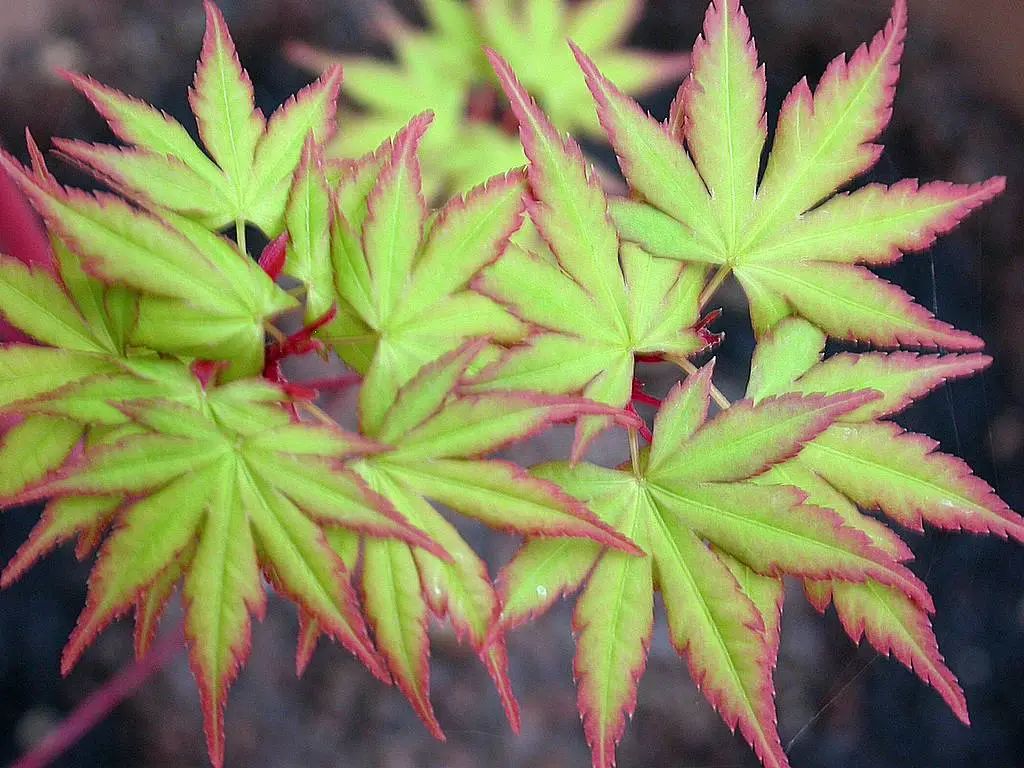
Coral Bark Maple tree, Acer palmatum 'Sango-kaku', mature specimen — species reference for Pacific Arboriculture homeowners in Auburn and the south Puget Sound.
Coral Bark Maple (Acer palmatum 'Sango-kaku'). Photo: No machine-readable author provided. Abrahami assumed (based on copyright claims)., CC BY-SA 2.5. Source: https://commons.wikimedia.org/wiki/File:Acer_palmatum_sango_kaku.jpg
Acer palmatum ‘Sango-kaku’
  • Bright coral-red bark on young branches lights up the winter garden
  • Soft chartreuse-green spring leaves transition to apricot-yellow in fall
  • Upright vase-shaped form, well-suited to courtyard and entry-corner placements
  • Cold-hardy through USDA zone 5 — reliable across the south Puget Sound

Coral Bark Maple is a four-season specimen tree prized for the brilliant coral-red color of its young stems, which intensifies after the first frost and stays vivid through winter. Spring growth emerges chartreuse, deepens to summer green, then shifts to a soft apricot-yellow before leaf drop. Landscape designers across Auburn, Kent, and Tacoma reach for it whenever a focal point is needed beside an entry, in a courtyard, or where winter interest matters most.

Planting and Care

  1. Planting. Plant in a location with well-drained soil and morning sun with afternoon shade in the south Puget Sound — the bright coral bark color is best preserved when summer afternoon sun is filtered. Dig a hole twice as wide as the rootball and the same depth, set the trunk flare at grade, backfill with native soil, water in deeply, and mulch with 2–3 inches of arborist wood chips kept off the trunk.
  2. Watering. Slow, deep watering once or twice per week through the first two summers. Roughly 10 gallons per inch of trunk caliper per watering, applied at the drip line. Skip supplemental water during the wet season.
  3. Fertilizing. No fertilizer in year one. From year two onward, a single light application of a balanced slow-release fertilizer in early spring is sufficient — only if a visible nutrient deficiency suggests it is needed.
  4. Pruning. Prune in mid-summer (July–August) when sap flow is minimal. Remove dead, damaged, or crossing branches and lightly thin the canopy to maintain the natural vase form. Avoid heavy pruning — Coral Bark Maple’s structure is its primary ornamental feature.

In Auburn, Federal Way, and Tacoma landscapes, Coral Bark Maple performs best on east- or north-facing exposures where afternoon sun is filtered. Plant on the upwind side of evergreen screens to limit winter desiccation that can dull bark color.

Need a Pacific Arboriculture ISA Certified Arborist to look at the coral bark maple on the property?
Call (206) 909-2170 or request a free quote — Pacific Arboriculture provides residential and commercial tree services across Auburn, Kent, Renton, Tacoma, Federal Way, Puyallup, Sumner, Bonney Lake, Maple Valley, and the wider south Puget Sound.

Return to Maples aftercare.

Coral Bark Maple Specs

Mature Height20–25 ft
Mature Width15–20 ft
SunlightFull Sun, Partial Shade
Growth RateModerate
Botanical NameAcer palmatum ‘Sango-kaku’
Planting questions?
(206) 909-2170
Request a free quote