
In the great Pacific Northwest, trees do more than fill space — they tell the story of your home. That maple shades your patio in the summer—the cherry tree signals spring’s arrival. Maybe your kids climb its branches, or it serves as the backdrop for family milestones. These trees add beauty, privacy, and value, but need care to stay strong and safe.
Why Tree Health Care Matters
Healthy trees boost curb appeal, clean the air, and naturally manage stormwater. But without attention, trees can become hazards—weak limbs, disease, or pests can put your property at risk.
Tree health management takes a proactive approach. We focus on early diagnosis, prevention, and expert treatment — so your trees thrive, not just survive.
What Is Plant Health Care?
Like people, trees benefit from regular checkups. Plant health care (PHC) catches problems like leaf discoloration, dieback, or stunted growth before they escalate into major damage.
Plant health care programs help your trees:
- Develop stronger root systems.
- Withstand drought conditions.
- Resist disease and pests.
- Maintain full, vibrant canopies.
Our ISA Certified Arborists at Pacific Arboriculture use science-based techniques to deliver lasting expert tree health care.
Common Tree Health Issues in King County, WA
We regularly address these issues across King County:
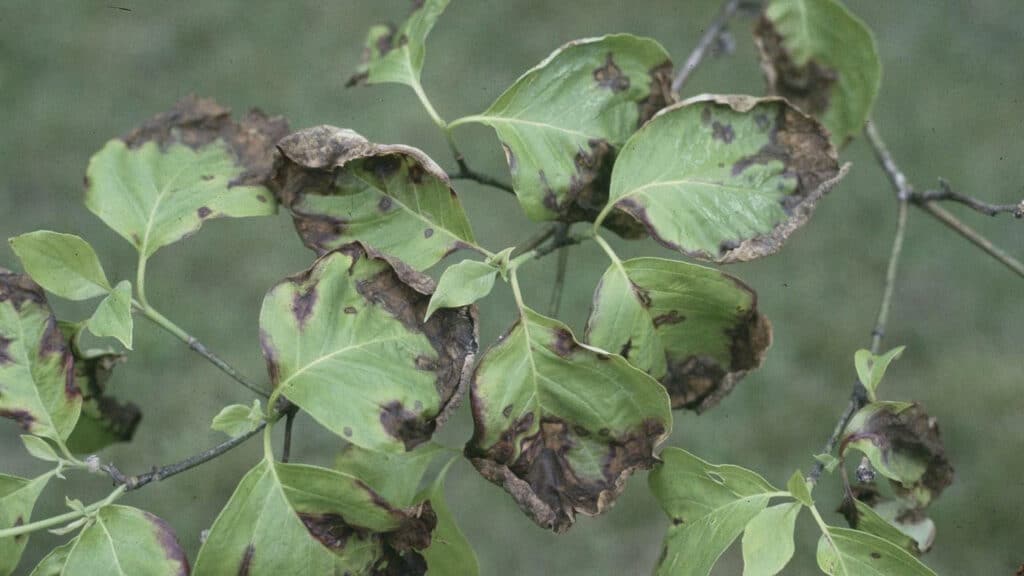
Anthracnose
Anthracnose is a fungal disease that often appears as brown, blotchy spots on leaves and early leaf drops. It’s common in maples, oaks, and dogwoods, especially after wet springs. While it rarely kills a tree outright, repeated infections can weaken it. Pruning and proper care can reduce outbreaks.
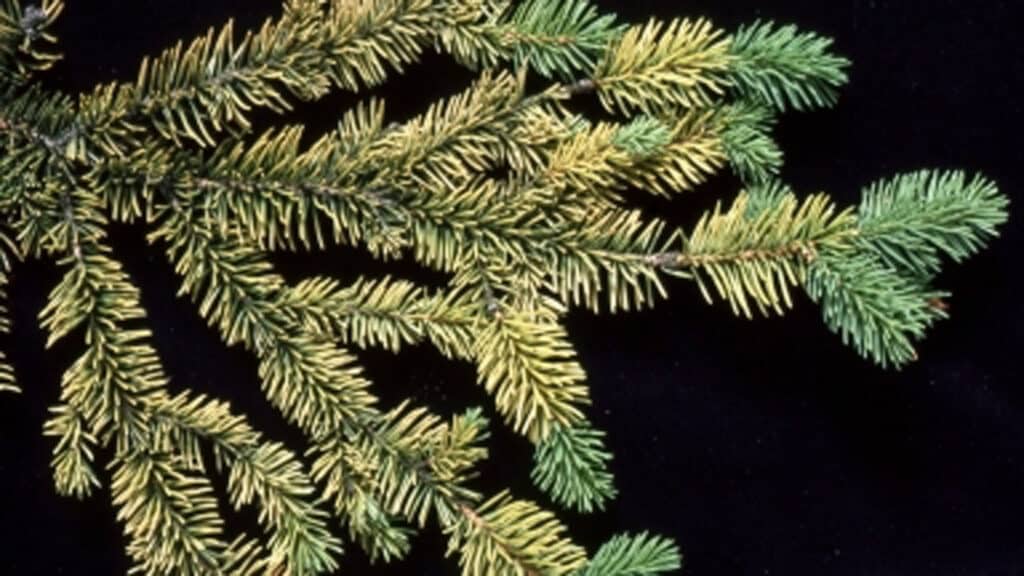
Chlorosis
If your tree’s leaves turn pale yellow while the veins stay green, it might be suffering from chlorosis, a sign of nutrient deficiencies or poor soil conditions. This weakens the tree and makes it more vulnerable to pests and disease — but our arborists can often correct it with the right treatments.

Root Rot
Washington’s wet weather often creates conditions for root rot, especially in poorly draining soil. You might notice wilting leaves, thinning foliage, or mushrooms at the trunk’s base. We act quickly to stop the spread and help your tree recover.

Pest Damage
Pest damage from aphids, scale insects, and borers affects trees throughout King County, WA. Look for sticky leaves, distorted growth, and bark damage, which are all clear warning signs of pest problems. At Pacific Arboriculture, we apply eco-friendly solutions to protect your trees and the surrounding landscape.
How Pacific Arboriculture Helps Protect Your Trees
Your trees need more than guesswork. Our certified arborists assess, diagnose, and treat tree health issues using proven techniques backed by science.
Our Services Include:
- Comprehensive Tree Health Assessments: Our ISA Certified Arborists will identify issues clearly and provide practical, step-by-step solutions.
- Ongoing Plant Health Care Programs: We deliver consistent nutrient support, soil care, pest control, and disease prevention.
- Precision Pruning: We shape trees for long-term strength, beauty, and safety.
- Safe Tree Removal & Stump Grinding: We safely remove trees that pose risks or have reached the end of their life cycle.
- 24/7 Emergency Tree Service: We respond quickly when storms or accidents threaten your property.
We Keep Your Trees Healthy for Years to Come
Your trees play a meaningful role in your home’s landscape and legacy. Let’s protect them together.
Call (206) 909-2170 or schedule a free consultation with our ISA-certified arborists in King County, WA.