Juniper Aftercare in the Pacific Northwest

Juniper

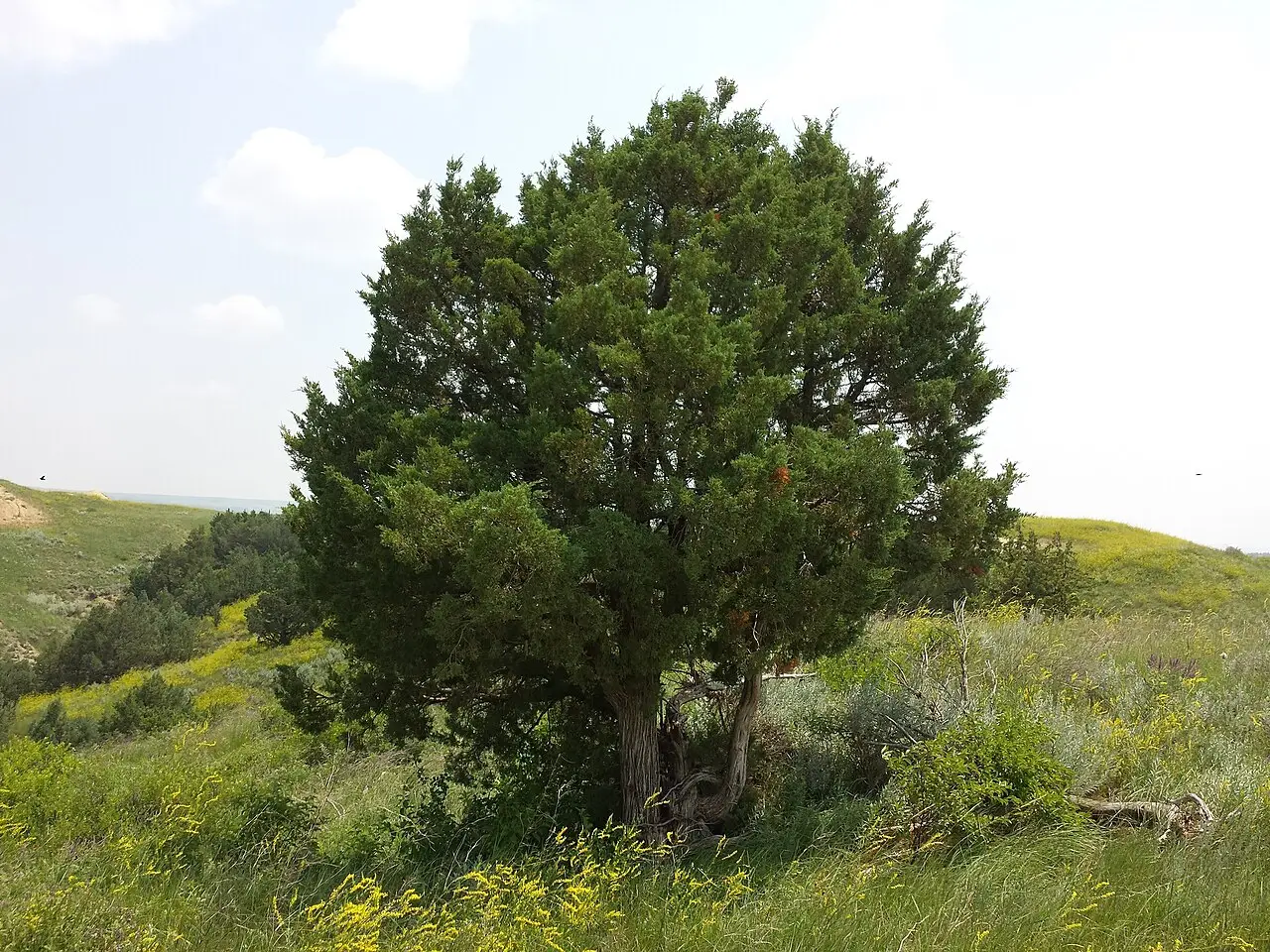
Juniper tree, Juniperus species & cultivars, mature specimen — species reference for Pacific Arboriculture homeowners in Auburn and the south Puget Sound.
Juniper (Juniperus species & cultivars). Photo: John Brew https://www.inaturalist.org/people/brewbooks, CC BY 4.0. Source: https://commons.wikimedia.org/wiki/File:Juniperus_scopulorum,_Badlands_National_Park,_South_Dakota_01.jpg
Juniperus species & cultivars
  • Wide range of forms — columnar, spreading, mounding, and prostrate
  • Excellent drought tolerance once established — useful for low-water sites
  • Fine-textured needle and scale foliage in green, blue-green, and gold tones
  • Tolerates poor soils, slopes, and exposed sites

Juniper is a category of evergreen shrubs and small trees with extraordinary range — narrow columnar forms (like ‘Spartan’ and ‘Skyrocket’) for vertical accents and tight property-line plantings, spreading and mounding cultivars for slopes and bank stabilization, and prostrate ground-cover types for low-maintenance installations. All juniper cultivars share excellent drought tolerance, adaptability to poor soils, and low maintenance demands once established.

Planting and Care

  1. Planting. Plant in full sun with well-drained soil. Juniper is one of the most drought-tolerant landscape evergreens available — it tolerates dry, rocky, and sandy soils that defeat most other species. Dig a planting hole twice as wide as the rootball, set the trunk flare at grade, backfill with native soil, water in, and mulch lightly.
  2. Watering. Deep weekly watering through the first growing season. Established juniper rarely needs supplemental irrigation in the south Puget Sound — the species is highly drought-tolerant once root systems are developed.
  3. Fertilizing. Juniper rarely needs fertilization. If growth is unusually slow, a single light application of balanced slow-release fertilizer in early spring is sufficient.
  4. Pruning. Light shaping only. Most juniper cultivars look best with minimal pruning that preserves the natural growth habit. Avoid cutting into bare interior wood — juniper does not regenerate from old branches.

Juniper is the go-to choice for hot, dry, exposed south Puget Sound sites — west-facing slopes in Auburn, sandy soils in Sumner, and waterfront banks in Tacoma and Des Moines. Avoid wet, shaded, or poorly-drained sites where root rot becomes a problem.

Need a Pacific Arboriculture ISA Certified Arborist to look at the juniper on the property?
Call (206) 909-2170 or request a free quote — Pacific Arboriculture provides residential and commercial tree services across Auburn, Kent, Renton, Tacoma, Federal Way, Puyallup, Sumner, Bonney Lake, Maple Valley, and the wider south Puget Sound.

Return to Hedges & privacy trees aftercare.
Juniper Specs

Mature Height6 in (groundcovers) — 25 ft (columnar trees)
Mature Width3–10 ft depending on cultivar
SunlightFull Sun
Growth RateSlow to Moderate
Botanical NameJuniperus species & cultivars
Planting questions?
(206) 909-2170
Request a free quote