Arborvitae Aftercare in the Pacific Northwest

Arborvitae

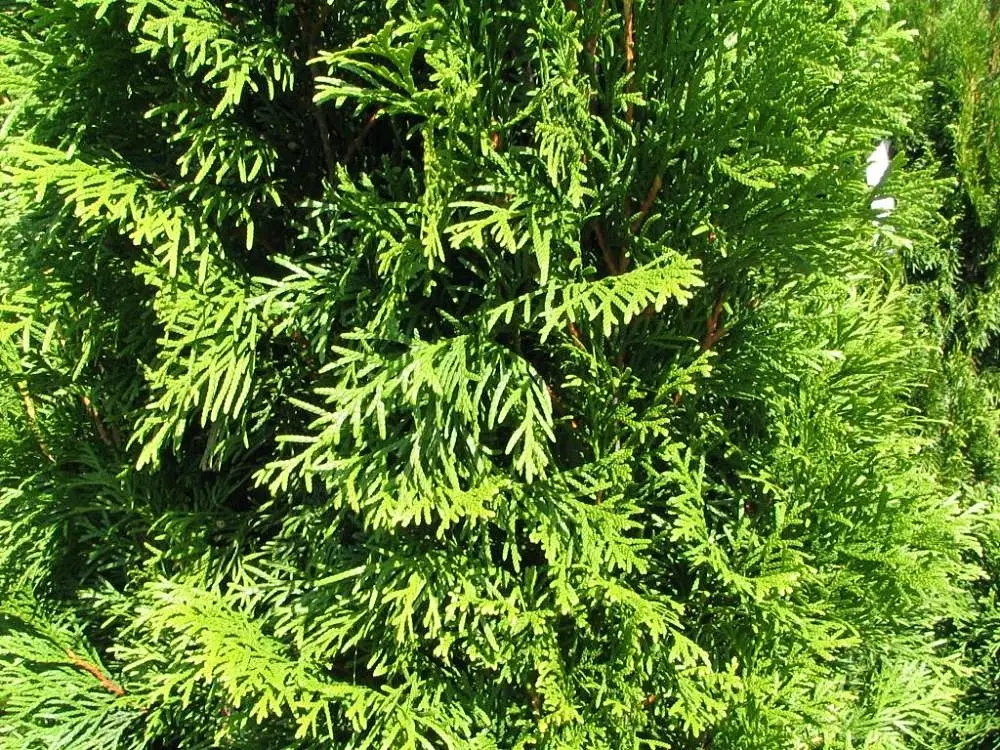
Arborvitae tree, Thuja occidentalis & Thuja plicata cultivars, mature specimen — species reference for Pacific Arboriculture homeowners in Auburn and the south Puget Sound.
Arborvitae (Thuja occidentalis & Thuja plicata cultivars). Photo: Photo by David J. Stang, CC BY-SA 4.0. Source: https://commons.wikimedia.org/wiki/File:Thuja_occidentalis_Smaragd_0zz.jpg
Thuja occidentalis & Thuja plicata cultivars
  • Soft scale-like evergreen foliage — dense visual and wind screening
  • Tight columnar ‘Emerald Green’ cultivars stay 3–4 ft wide — ideal for property lines
  • Native Western Redcedar cultivars handle PNW conditions with no fuss
  • Fast establishment, low maintenance once established

Arborvitae is the most-planted privacy hedge species across the south Puget Sound. The category covers a range of cultivars: ‘Emerald Green’ (Thuja occidentalis ‘Smaragd’) is the most popular for tight property-line screening at 12–15 feet, while native Western Redcedar (Thuja plicata) cultivars suit larger sites. Arborvitae establishes quickly, tolerates a range of soil conditions, and requires minimal maintenance once mature.

Planting and Care

  1. Planting. For ‘Emerald Green’ privacy hedge, space plants 30–36 inches apart. For Western Redcedar cultivars, allow 8–10 feet between trees. Plant in well-drained soil; arborvitae tolerates a range of conditions but resents standing water. Dig wide rather than deep, set the trunk flare at grade, backfill with native soil, water in deeply, and mulch.
  2. Watering. Critical in establishment: deep weekly watering through the first two growing seasons. Drought-stressed arborvitae develops permanent brown patches that don’t recover. Established hedges benefit from supplemental water during late-summer dry stretches.
  3. Fertilizing. A single application of balanced slow-release fertilizer in early spring during years one through three supports establishment. Mature hedges in healthy soil rarely need additional fertilization.
  4. Pruning. Arborvitae responds well to light annual shearing. Prune in late spring or early summer to maintain hedge form. Avoid cutting into bare interior wood — arborvitae regenerates poorly from old wood.

Arborvitae is the workhorse privacy hedge species across the south Puget Sound. Watch for spider mite outbreaks in hot, dry summers — hose down foliage in heat waves to limit pressure in Auburn, Sumner, and Lake Tapps.

Need a Pacific Arboriculture ISA Certified Arborist to look at the arborvitae on the property?
Call (206) 909-2170 or request a free quote — Pacific Arboriculture provides residential and commercial tree services across Auburn, Kent, Renton, Tacoma, Federal Way, Puyallup, Sumner, Bonney Lake, Maple Valley, and the wider south Puget Sound.

Return to Hedges & privacy trees aftercare.
Arborvitae Specs

Mature Height12–15 ft (‘Emerald Green’); 30–60 ft (Western Redcedar cultivars)
Mature Width3–4 ft (‘Emerald Green’); 10–25 ft (Western Redcedar)
SunlightFull Sun, Partial Shade
Growth RateModerate to Fast
Botanical NameThuja occidentalis / Thuja plicata
Planting questions?
(206) 909-2170
Request a free quote