Alaskan Weeping Cedar Aftercare in the Pacific Northwest

Alaskan Weeping Cedar

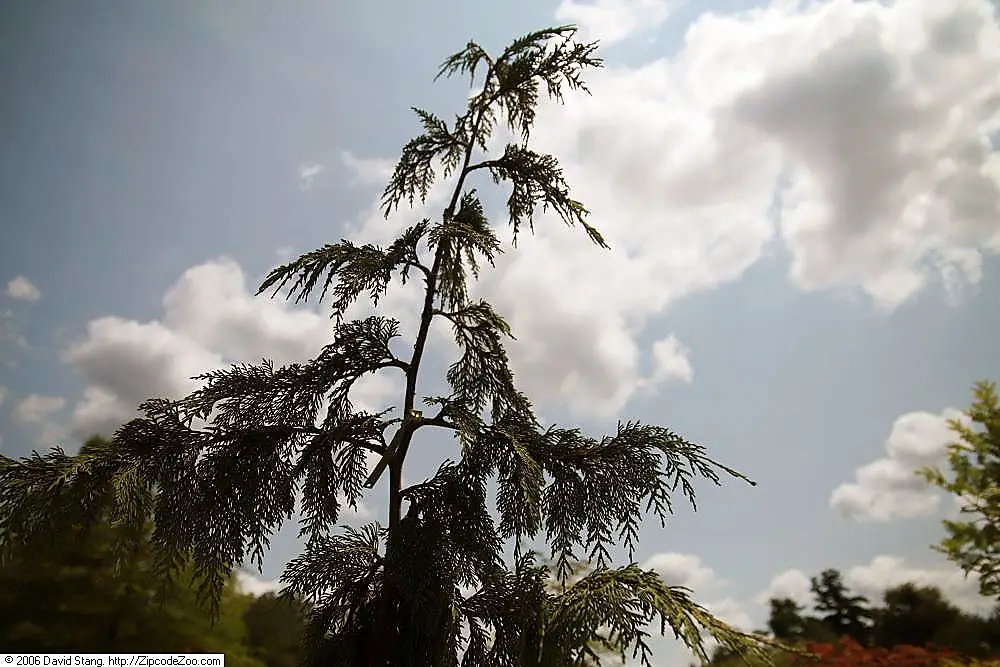
Alaskan Weeping Cedar tree, Callitropsis nootkatensis 'Pendula', mature specimen — species reference for Pacific Arboriculture homeowners in Auburn and the south Puget Sound.
Alaskan Weeping Cedar (Callitropsis nootkatensis 'Pendula'). Photo: Photo by David J. Stang, CC BY-SA 4.0. Source: https://commons.wikimedia.org/wiki/File:Chamaecyparis_nootkatensis_Pendula_1zz.jpg
Callitropsis nootkatensis ‘Pendula’
  • Distinctive cascading, weeping branches with a striking sculptural silhouette
  • Soft scale-like foliage with a fine texture
  • Native to the Pacific Northwest — perfectly adapted to maritime conditions
  • Long-lived and slow-growing, valuable as a focal specimen

Alaskan Weeping Cedar (also called Weeping Nootka Cypress or Weeping Alaska Yellow-Cedar) is one of the most architecturally striking conifers available for south Puget Sound landscapes. The pendulous, cascading branches create instant garden architecture and become more dramatic with age. The species is native to the Pacific Northwest coast, making it perfectly adapted to local soil and climate conditions.

Planting and Care

  1. Planting. Plant in well-drained soil with full sun to partial shade. Alaskan Weeping Cedar tolerates the heavy clay and consistent moisture typical of south Puget Sound soils — the species is native to coastal Alaska through Oregon. Dig a planting hole twice as wide as the rootball, set the trunk flare at grade, backfill with native soil, water in, and mulch.
  2. Watering. Deep weekly watering through the first two growing seasons. Established trees benefit from consistent moisture but tolerate moderate dry stretches once root systems are well developed.
  3. Fertilizing. Most established trees need no fertilization. A single light application of evergreen-specific slow-release fertilizer in early spring is appropriate only if growth is slow or foliage is dull.
  4. Pruning. Minimal pruning required — the cascading silhouette is the primary ornamental feature. Remove dead, damaged, or crossing branches in late spring through summer. Avoid heavy cutting that would disrupt the natural pendulous form.

Alaskan Weeping Cedar is one of the best-adapted ornamental conifers for the south Puget Sound — the species is native to the region and thrives in Auburn, Kent, Tacoma, Federal Way, and surrounding maritime climates with minimal intervention.

Need a Pacific Arboriculture ISA Certified Arborist to look at the alaskan weeping cedar on the property?
Call (206) 909-2170 or request a free quote — Pacific Arboriculture provides residential and commercial tree services across Auburn, Kent, Renton, Tacoma, Federal Way, Puyallup, Sumner, Bonney Lake, Maple Valley, and the wider south Puget Sound.

Return to Conifers aftercare.
Alaskan Weeping Cedar Specs

Mature Height25–40 ft
Mature Width10–15 ft
SunlightFull Sun, Partial Shade
Growth RateSlow to Moderate
Botanical NameCallitropsis nootkatensis ‘Pendula’
Planting questions?
(206) 909-2170
Request a free quote