Plum Tree Aftercare in the Pacific Northwest

Plum Tree

Plum Tree tree, Prunus domestica & Prunus salicina, mature specimen — species reference for Pacific Arboriculture homeowners in Auburn and the south Puget Sound.
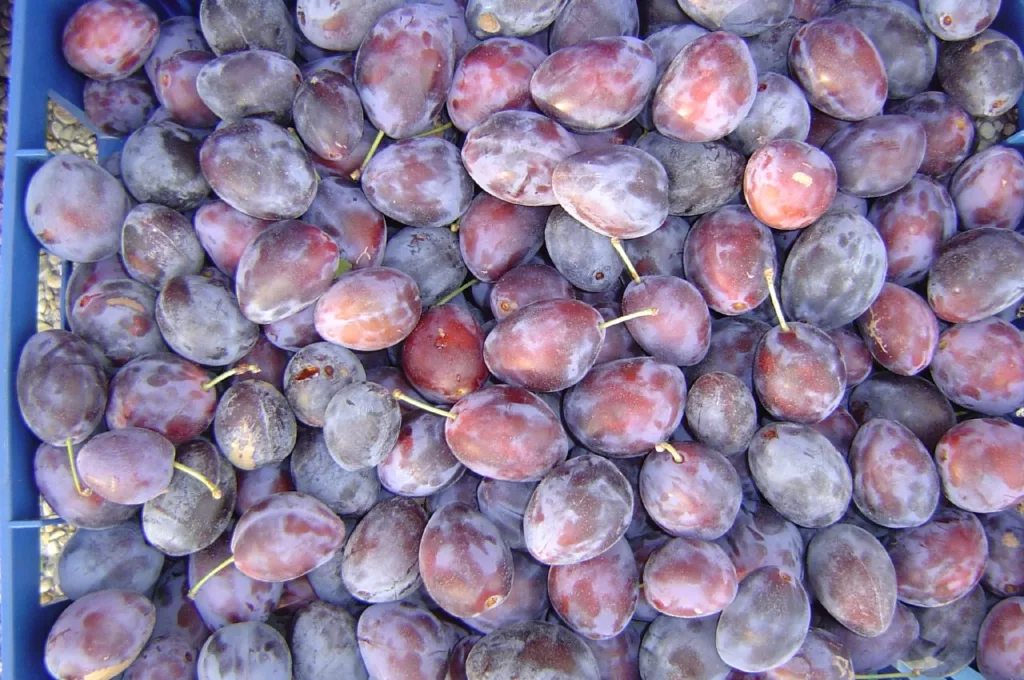
Plum Tree (Prunus domestica & Prunus salicina). Photo: Franca, CC BY 2.0. Source: https://commons.wikimedia.org/wiki/File:Prunus_domestica_fruit.jpg
Prunus domestica & Prunus salicina
  • Generous white spring flower display followed by summer fruit harvest
  • European plums (Prunus domestica) and Japanese plums (Prunus salicina) perform well in the PNW
  • Compact tree size suits smaller backyard orchards
  • Most cultivars require a compatible pollinator nearby

Plum is one of the most productive backyard fruit trees for the south Puget Sound, producing generous summer harvests of fresh, jam, and prune fruit depending on cultivar. European plums (Italian, Stanley) deliver classic firm, sweet fruit and excellent for drying; Japanese plums (Santa Rosa, Methley) produce larger, juicier dessert fruit. The compact tree size suits smaller backyard orchards, and the spring flower display is among the showiest of the stone fruits.

Planting and Care

  1. Planting. Plant in full sun with well-drained soil. Confirm pollinator compatibility — European plums need a European pollinator, and Japanese plums need a Japanese pollinator (the two groups generally don’t cross-pollinate). Dig a planting hole twice as wide as the rootball, set the graft union 2 inches above grade, backfill with native soil, water in, and mulch.
  2. Watering. Deep weekly watering through the first three growing seasons. Mature plums benefit from supplemental water during fruit-fill (June–August). Drought stress at this stage causes split fruit and premature drop.
  3. Fertilizing. Light feeders. A single application of balanced fruit-tree fertilizer in early spring is sufficient. Excess nitrogen produces soft growth and reduces fruit quality.
  4. Pruning. Annual dormant-season pruning maintains an open vase form for sun penetration. Plums set fruit on second-year wood; preserve a balanced rotation of older fruiting wood and younger replacement shoots. Remove crossing and water-sprout branches each year.

Plum is well-suited to south Puget Sound conditions but watch for bacterial canker (Pseudomonas syringae) in wet springs. Prune in dry summer weather rather than dormant winter season to limit canker entry across Auburn, Kent, Tacoma, and surrounding orchards.

Need a Pacific Arboriculture ISA Certified Arborist to look at the plum tree on the property?
Call (206) 909-2170 or request a free quote — Pacific Arboriculture provides residential and commercial tree services across Auburn, Kent, Renton, Tacoma, Federal Way, Puyallup, Sumner, Bonney Lake, Maple Valley, and the wider south Puget Sound.

Return to Fruit trees aftercare.

Plum Tree Specs

Mature Height12–20 ft (semi-dwarf); 15–25 ft (standard)
Mature Width12–20 ft
SunlightFull Sun
Growth RateModerate
Botanical NamePrunus domestica / Prunus salicina
Planting questions?
(206) 909-2170
Request a free quote