Cherry Tree Aftercare in the Pacific Northwest

Cherry Tree

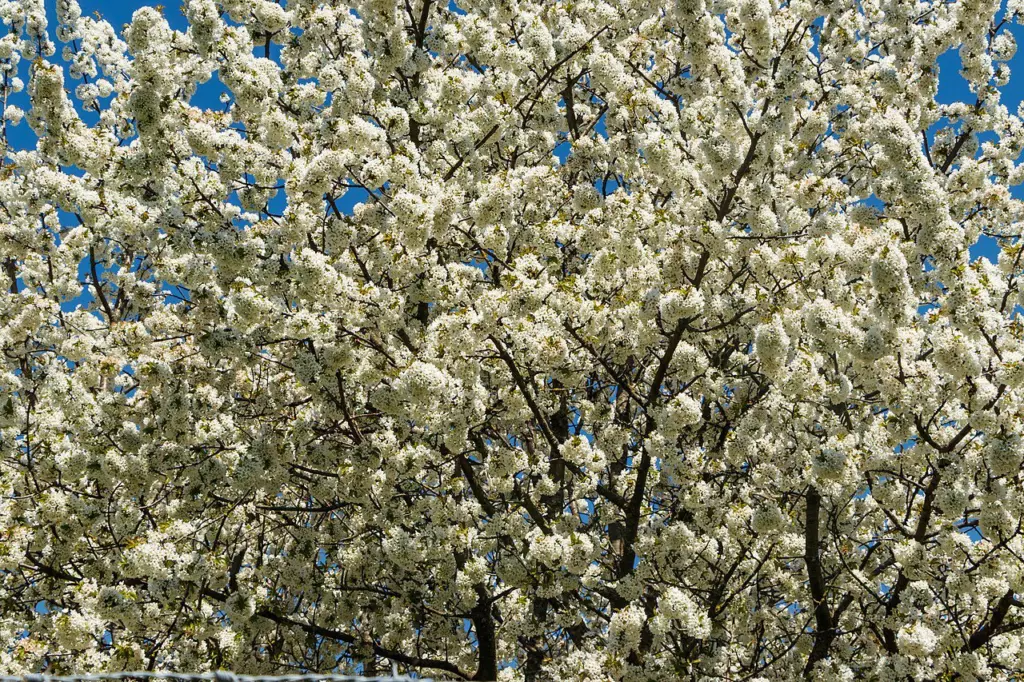
Cherry Tree tree, Prunus avium & Prunus cerasus, mature specimen — species reference for Pacific Arboriculture homeowners in Auburn and the south Puget Sound.
Cherry Tree (Prunus avium & Prunus cerasus). Photo: H. Zell, CC BY-SA 3.0. Source: https://commons.wikimedia.org/wiki/File:Prunus_avium_-_Hohenwettersbach_01.jpg
Prunus avium & Prunus cerasus
  • Spectacular white-to-pink spring flower display — among the showiest fruit trees
  • Sweet cherry (Prunus avium) for fresh eating; sour cherry (Prunus cerasus) for cooking
  • Sweet cherries need a pollinator; most sour cherry cultivars are self-fertile
  • Sensitive to bacterial canker — pruning timing and sanitation are critical

Cherry trees produce the most spectacular spring flower display of any fruit tree, with white-to-pink blooms covering the canopy in April. Sweet cherry cultivars (Bing, Rainier, Stella) deliver fresh-eating fruit in midsummer; sour cherry cultivars (Montmorency, Northstar) produce smaller pie-and-jam fruit with self-fertile pollination. Cherry is one of the more demanding fruit trees in the south Puget Sound — pruning timing, sanitation, and disease management materially affect long-term tree health.

Planting and Care

  1. Planting. Plant in full sun with well-drained soil. Cherry resents wet feet — avoid low spots and clay-bottom planting holes that hold winter moisture. Confirm pollinator compatibility for sweet cherry; sour cherry is generally self-fertile. Dig a planting hole twice as wide as the rootball, set the graft union 2 inches above grade, backfill with native soil, water in, and mulch.
  2. Watering. Deep weekly watering through the first three growing seasons. Mature cherries benefit from supplemental water during fruit-fill (May–July). Avoid overhead irrigation that wets the foliage — it increases bacterial canker pressure.
  3. Fertilizing. Light feeders. A single light application of balanced fruit-tree fertilizer in early spring is sufficient. Excess nitrogen pushes soft growth and increases bacterial canker susceptibility.
  4. Pruning. Critical: prune cherries in dry summer weather (July–August), NOT in dormant winter season. Wet winter pruning wounds are the leading entry point for bacterial canker in the south Puget Sound. Maintain an open vase or modified central leader; remove crossing, water-sprout, and dead branches annually.

Cherry is one of the most disease-pressured fruit trees in the south Puget Sound — bacterial canker, brown rot, and cherry leaf spot are common pressures. Summer pruning (NEVER winter) and good airflow are critical for long-term tree health across Auburn, Kent, Renton, and Puyallup orchards.

Need a Pacific Arboriculture ISA Certified Arborist to look at the cherry tree on the property?
Call (206) 909-2170 or request a free quote — Pacific Arboriculture provides residential and commercial tree services across Auburn, Kent, Renton, Tacoma, Federal Way, Puyallup, Sumner, Bonney Lake, Maple Valley, and the wider south Puget Sound.

Return to Fruit trees aftercare.

Cherry Tree Specs

Mature Height15–25 ft (semi-dwarf); 25–35 ft (standard sweet); 12–20 ft (sour)
Mature Width15–25 ft
SunlightFull Sun
Growth RateModerate
Botanical NamePrunus avium / Prunus cerasus
Planting questions?
(206) 909-2170
Request a free quote